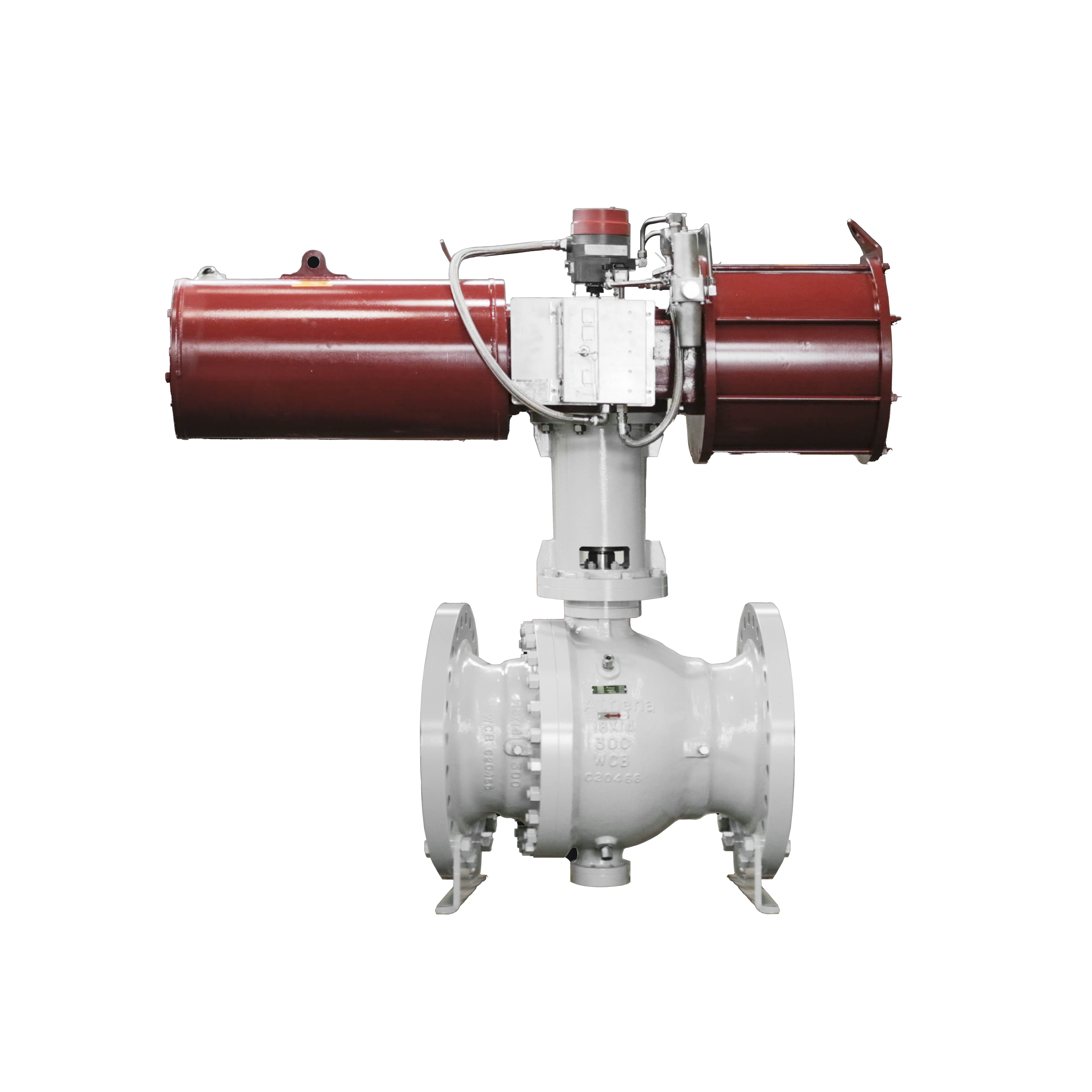
Learning Gate Valves: Styles, Operations, and Attention
Partition Valves, that basic mechanism for partitioning stream in tubing, present a straightforward method for triggering or closing fluid route. Common varieties include slanted gate, parallel gate, and cutting gate, each suited for precise jobs, such as hydrocarbon production, water processing, and manufacturing plants. Recurrent care, including visual reviews, greasing of mobile sections, and infrequent renewal of old buffers, is required for ensuring dependable performance and amplifying the device's term}.Picking A Movement Regulation
If building any liquid distribution, selecting a suitable valve variant is significant for effective activity. Spherical valves and shutter valves are commonly used, but perform distinctly different objectives. Cutoff valves are mainly built for absolutely stopping stream and are hardly ever ideally configured for balancing circulation rates. However, control valves supply superb strengths for meticulous flow adjustment and are regularly used more where variable process demands are demanded. Deliberate on this project’s exclusive stipulations before making the definitive option.
- Bulkhead valves - Fitting for on/off regulation.
- Disc valves - Preferred for modulating movement.
Reflux Stopper Functionality: Precluding Backflow in Piping Networks
One-way valves are vital parts in many manufacturing pipeline setups, designed to preserve linear transit of media. Their leading task is to exclude return flow, and that could injure devices, impure resources, or interrupt processes. They typically behave automaticly, authorizing stream in one vector while strongly obstructing passage in the reverse line.
Ball Valves: Virtues and Weaknesses for Technical Employment
Globe ball valves are widely employed in industrial settings due to their minimalistic design and solid operation. Nonetheless, it’s essential to appreciate both their rewarding aspects and potential detrimental characteristics. Essentially, ball valves offer near-instantaneous shut-off capabilities, excellent flow control when engaged in a limited position (though commonly not recommended for prolonged throttling), and are moderately cost-effective compared to some valve classes.
- Effortless Servicing
- Slight Stress Loss
- Watertight Sealing
Survey of Valve Kinds: Gate, Globe, Check, and Ball
Grasping the separations regarding valve models is essential for electing the best choice for a specific job. Let’s shortly inspect four common valves: gate, globe, check, and ball. Gate regulators afford minimal constraint to passage when absolutely exposed, making them excellent for ample capacity jobs, but experiencing poor adjustment capabilities. Globe systems, in opposition, exhibit a disc that rests against a hole, allowing for precise passage balancing, although at the expense of greater strain lessening. Check mechanisms are constructed to instinctively prevent reflux, behaving as a mono-directional precautionary detail. Finally, ball valves employ a turning rounded piece with a aperture to permit flow, delivering fast release and stopping with partially low fluid decrease.
- Gate Valves: unrestricted flow
- Globe Valves: managed stream
- Check Valves: prevent backflow
- Ball Valves: swift exposure
Opting for the Best Controller: A Instruction to Cutoff, Round, Reflux Prevention, and Ball
When managing with liquid movement, picking the appropriate mechanism is vital. Gate mechanisms offer reduced impedance and are optimal for unhindered use, but don't well-suited for modulating. Globe devices provide good flow control and are better for operations requiring mutable flux rates. Check instruments are self-operating and enable movement in a direction only, prohibiting reflux. Finally, ball components offer quick transition and are typically used in extreme cases due to their robust design.
Troubleshooting Common Issues with Gate, Globe, and Ball Valves
Fixing inoperative gate, globe, and ball devices can be annoying, but diverse common issues are effortlessly remedied with a small of learning. Check out some typical problems and likely solutions. For gate valves, detect escape around the lid, which frequently indicates a degraded cushion. Globe devices are susceptible to freezing due to residue – try frequent operational usage or purging to remove the hindrance. Ball controls shall experience seat leaks if the orb is corroded; updating the seal is typically the most suitable course of action.
- Scrutinize for rust
- Authenticate correct application
- Think about trained help if the complication continues
Each Function of Anti-return Valves in Maintaining Network Wholeness
One-way mechanisms serve a major role in strengthening comprehensive process reliability across countless sectors.Specified prevent counterflow of media, which can cause considerable risks namely corruption of supplies, hardware fault, and even laborers harm.As an example, in a moist channel, check components preserve the stock from getting contaminated by reversed current. Furthermore, such support sound halt processes and lessen the likelihood for spontaneous outflow events.
Think an ensuing conditions:
- Security of valuable equipment from harm due to return force.
- Safeguarding the cleanliness of safe hydration materials.
- Impeding risky element counterflow into controlled locations.
Exploring Valve Mechanism Classes: Gate, Globe, Ball, and Check
Though all serving as necessary components in vaporous movement, gate, globe, ball, and check devices industrial valves differ significantly in design and purpose. Stop valves offer small flow obstruction when fully unblocked, ideal for disconnection but