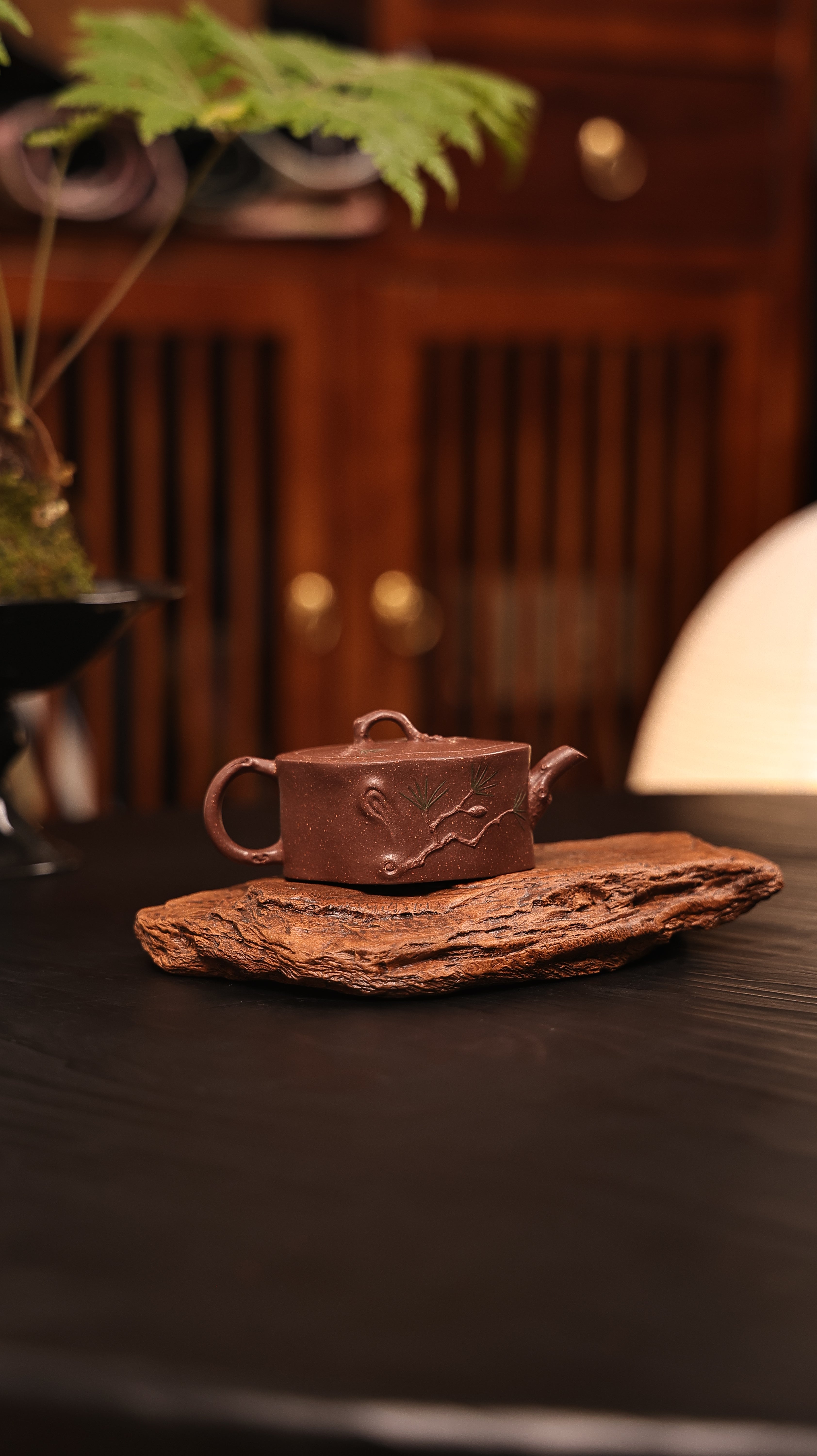
Opening such exhaustive examination pertaining to Ihsing Tzu Sha teapots provides this absorbing amalgamation featuring craftsmanship together with usefulness.
Yi-hsing Zi-sha clay vessels hold an unique attraction to aficionados all over the world. Specific amazing earthenware containers, sourced from the particular Ihsing zone of Jiangsu region, China, feature more than just teaware; they are viewed as works artistic beauty and historical significance. The finely screened clay, known as Zisha, imparts a understated flavor inside the tea, and the stylized designs, often casting traditional Chinese themes, add to their fundamental value. Owning a genuine Yixing Zisha teapot involves a satisfying journey, asking for careful inspection and an grasp of the several factors influencing the singularity.
Learning about Yixing Earthenware Pots
Ising earthenware pots boast a deep history deeply interwoven with Chinese identity. Originating in Yixing, Jiangsu district, these containers are crafted from a unique, porous purple mud found only in that distinct location. Their creation began during the Ming dynasty, with master craftsmen refining the processes over periods. Distinct types are found, including the classic Hexiang (resembling crab shells), Zhuni Yixing Teapot (red-brown hue), and Duan Ni (stone-studded) – each with distinctive qualities. The importance of an Yixing teapot isn't solely based on its size or finishing, but also on the maker’s reputation, the clay's quality, and the pot’s age and condition. Buyers often seek out older examples, believing they soak up the aroma of the tea brewed within them over time, further adding to their eminence.- Hexiang Ceramic Pots
- Red-Brown Ceramic Pots
- Rock-Adorned Brewing Vessels
Zisha Teapot Mastery: Skill & Means
A making of Zisha teapots represents a apex of Chinese ceramic craftsmanship. Experienced artisans employ longstanding techniques, often passed down through generations, to unlock the full essence of this unique clay. Strategies involve meticulous forming by hand, often combined with the looping method, followed by precise firing at incredibly extreme temperatures in wood-fired kilns. Illustrating is equally crucial; makers utilize native clay colors and may incorporate embossing work to depict intricate scenes or patterns, demonstrating a profound grasp of the material’s attributes and expressiveness. The completed teapot isn't merely a vessel for tea, but a testament to a substantial cultural custom.
A Claywares: Distinct Guide to Yi-hsing Tzu-sha
Delving into the world of Oriental teapots routinely kicks off with Yixing Zisha. These distinctive clay containers are constructed from a exclusive type of clay found only in the Yixing region of the Jiangsu zone province. Known for its remarkable reddish-purple hue and exquisite aspects, Zisha clay delivers a subtle flavor to the brew and improves with age, growing into a cherished prized possession. Holding Yixing Zisha teapots is more than just owning a attractive object; it’s a appreciation of culture and technique.
Examining unique Stoneware: Authentic Quality & Appreciation
Delving into the realm of Yixing Zisha ware can be incredibly fulfilling, but necessitates a thorough knowledge. Veracity is vital; countless fakes circulate, sometimes skillfully created. Becoming knowledgeable about ancestral cooking procedures, distinctive dirt essences, and the emblems of honored craftswomen is totally crucial. In addition, recognizing the nuances of the expansion development – influenced by circumstances such as traditional meaning and the condition of the componentry – is decisive to effective collection.
- Researching roasting heritage.
- Engaging experts for substantiation.
- Judging sales dynamics.
Unique Technique of Steeping with a Zisha Urn
An distinctive allure of a Zisha instrument lies not just in its elegant appearance, but also in its important impact on the taste of the elixir. These classical clay vessels, sourced from singular regions of China, possess a organic porosity that subtly interacts with the drink and leaves, imbuing the beverage with a delicate character. Mastering the practice requires a mindful approach, understanding how the mineral responds to distinct temperatures and plant types, ultimately leading to a genuinely rewarding consuming ritual.
Nurturing One's Treasure
Proper handling of your Yixing teapot is important to preserving its usefulness. These special teapots, crafted from uncommon Yixing clay, develop a texture over time that augments their esteem. Consistently rinse the internal space with plain water, avoiding soap-based cleaners, and never use strong scrubbing tools. Sporadic gentle polishing with a smooth cloth can help in taking off patches. Allow your vessel to totally dry before each serving
Unveiling Yixing: Reasons Particular Kettles Symbolize Exclusive
The famous appeal of Yixing teapots arises from the exclusive properties of Yixing clay, discovered solely near Yixing, the Jiangsu area. This remarkable clay, categorized as ferruginous terra cotta , demonstrates a strange combination of substances that, as years pass, receive the taste of the beverages it embraces. This generates a one-of-a-kind fragrance for each pot, transforming it a merit far beyond its original price and resulting to their valued status among gatherers.
Unearthing the Fitting Chinese Ceramic Vessel: A Purple Clay Handbook
Venturing into the world of Yixing clay teapots can feel intimidating, but understanding the cores is necessary to obtaining a coveted piece. This category of clay, sourced primarily from the area around Yixing, the Jiangsu area, is celebrated for its exclusive grain and ability to boost the bouquet of the elixir over duration. Ponder the configuration, the tone, and the design quality; a original Zisha teapot is more than just a receptacle; it's a artistic piece and a emblem of oriental culture. Check the signature of the potter for clues to its origin and potential value.