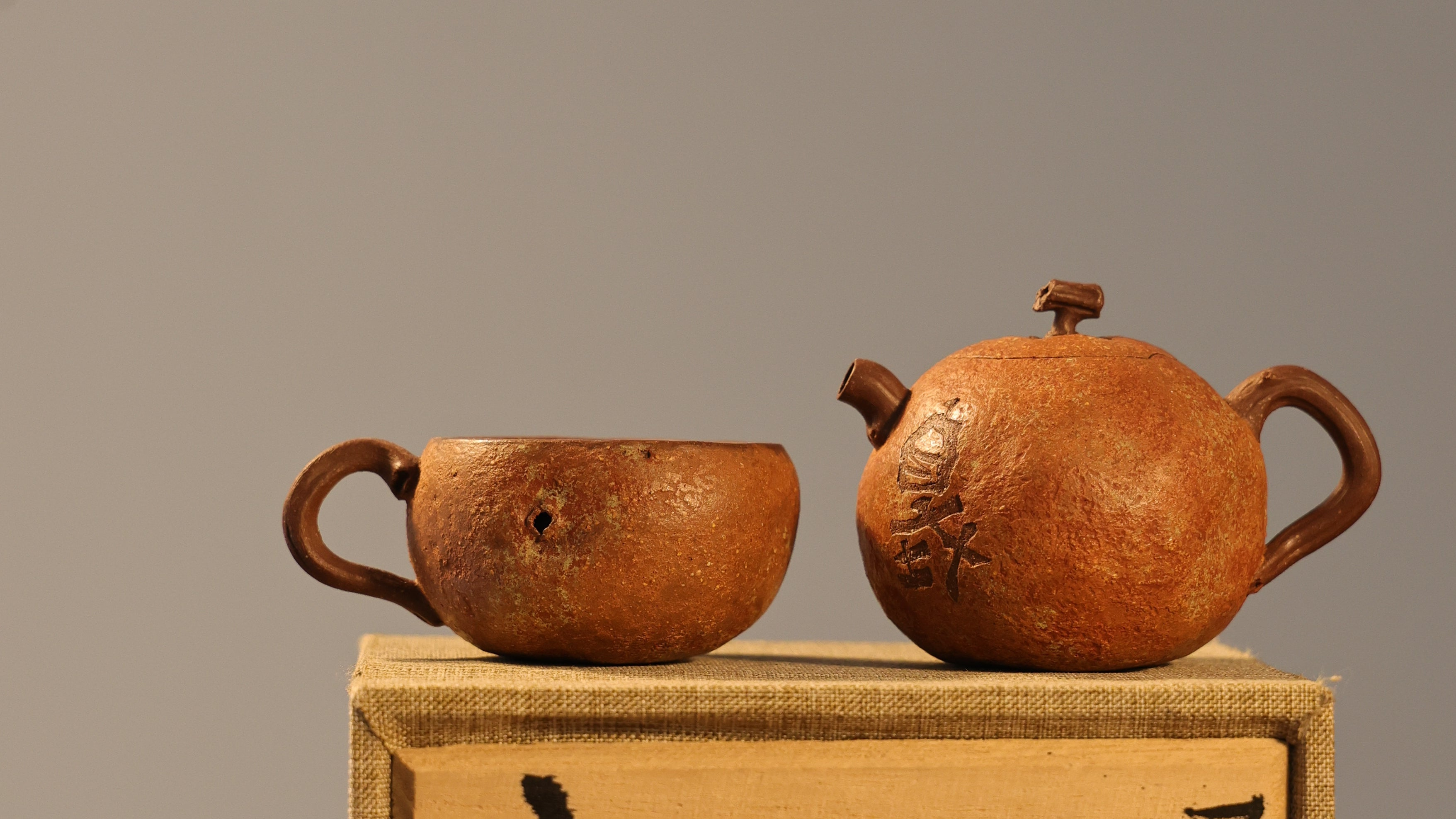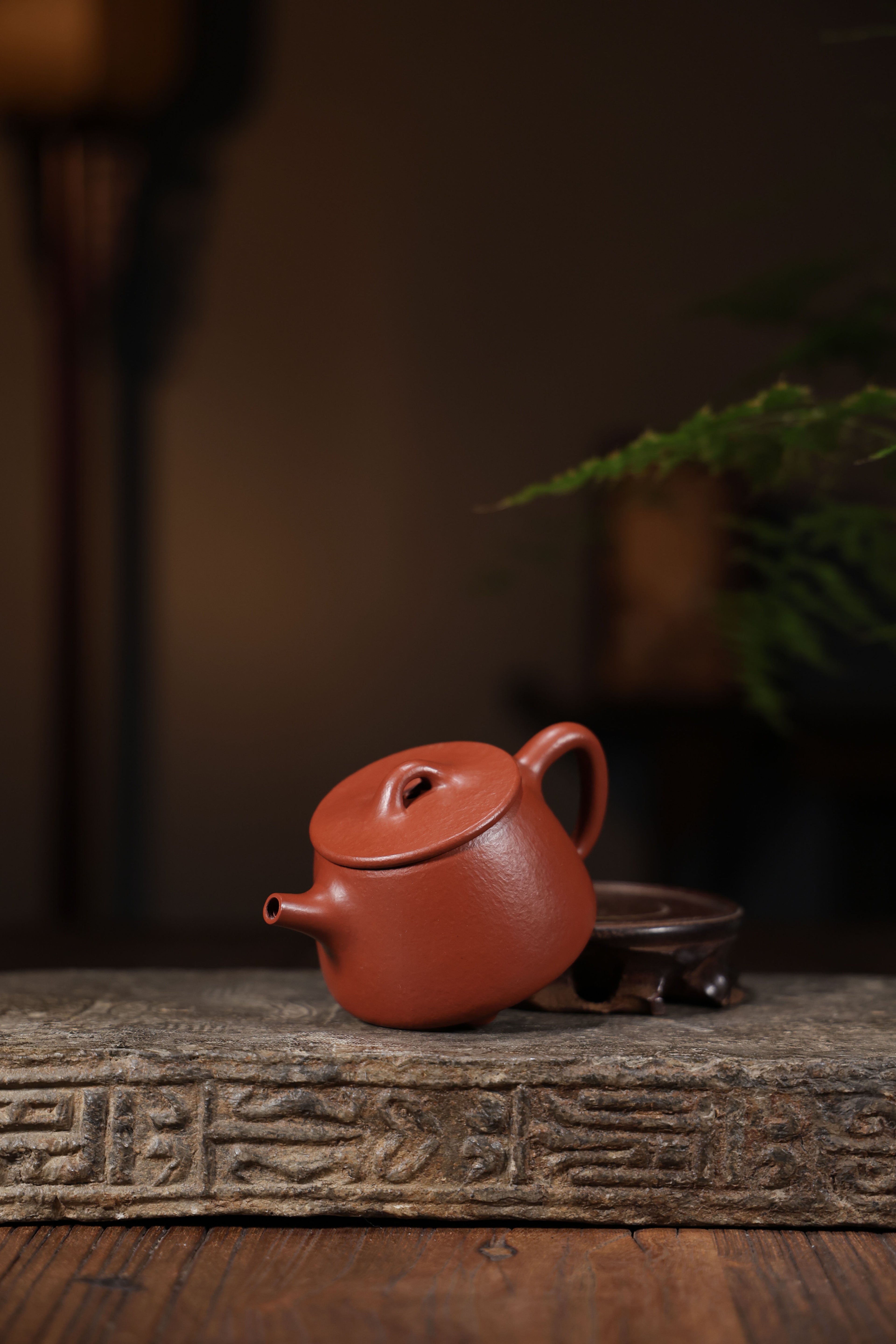
Periods in enthusiasts have long favored the unique appeal of Yixing Zisha vessels. Emerging in the cozy town of Yixing, the state, these earthenware are formed from a peculiar and extracted purple clay renowned for its exceptional thermal elements and efficacy to intensify the bouquet of beverages. Apart from their practical significance, Zisha teapots illustrate a solid heritage tradition, rendering them markedly esteemed and a real gem for any zealous teapot collector.
copyrightining Yixing Earthenware
Yixing teapots display a extraordinary blend of history and seasoned craftsmanship. Existing in Yixing, Jiangsu Area of China, their narrative dates back the Ming Dynasty, although clues suggest earlier versions. The singular wine-colored clay, called Zisha, found uniquely in the Yixing region, is the key component, contributing to the pots' notable heat preservation and the manner they influence the notes of tea. Periods of potters have polished techniques—often handed over through families—including modeling the clay, applying decorative embellishments, and firing the pots at regulated temperatures.- Originally, Yixing teapots were often decorated with simple designs.
- Down the line, more advanced carvings and pictorial motifs became usual.
- The firing process itself is a critical element, requiring lengthy phases of skill.
Gathering Zisha Teapots: Necessary Factors
Undertaking a journey to secure Zisha jars can be pleasurable, but it’s fundamental to grasp what to inspect. Authenticity is paramount; focus on the terrain’s natural color, a earthy reddish-brown is regular. copyrightine the surface; genuine Zisha has a particular tactile sensation, often described as slightly coarse. The morphology should be aesthetically sound and consistent with antique styles, while seals, if present, require thorough copyrightination for legitimacy. Don’t postpone to consult with experienced dealers or credible materials – their knowledge is indispensable.
Eastern Pots: Delving into the Legacy of original Pottery
Centuries have seen Yixing Purple Clay teapots retain a distinguished role in Chinese arts. These artfully designed pots, sourced uniquely Purple Clay Teapot from the district of Yixing, are acclaimed for their characteristic shade, feel, and their ability to enhance the taste of beverages. A multitude of collectors chase antique Yixing teapots, estimating them significantly not only for their aesthetic elegance, but also for the legacy they portray.
Yixing Zisha Teapots: Such Leading Categories and Their Traits
Purple Earthenware teapots, established in the renowned territory of Yixing, the country, are noted for their singular clay and excellent brewing functions. Within the various Zisha types, prominent sorts that are highly coveted include Mingzhong. Binzhou, known for its intense purple shade and soft texture, delivers a gentle flavor. This Duan Ni variety, recognizable by its orangish color and partially grainy feel, is assumed to enhance the fullness. Lastly, The Zhuni type boasts an peculiar burgundy tone and can deliver a delightful nuance. Each variety supplies a alternative experience, allowing them very desirable regarding concoction enthusiasts.
Excelling at The Artisan Container
To discover the full potential of your Yixing urn, learning the correct technique is necessary. These clay earthenware, celebrated for their penetrability, will slowly embrace the heart of the tea you brew within them. Begin by cleansing the pot thoroughly with hot water. Then, use only first-class broken leaf tea, as lower quality options can spoil the premise’s delicate taste. Always enable the leaves to unfurl completely, and remember that with each preparation, your Yixing vessel will become continuously special.
Protecting Your Invaluable Zisha Treasure
Proper upkeep for your Zisha kettle is crucial to maintaining its durability and worth. Zisha clay, acclaimed for its unique coloration and makeup, requires delicate handling. Never use stringent detergents, as these can ruin the surface. After every brewing, rinse the jar with tepid water and allow it to dehumidify completely.
- Do not soaking the pitcher for extended periods.
- Intermittently use a soft wiping cloth to polish the exterior.
- Deliberate applying a thin layer of food-grade mineral oil inside the pot after drying, which can limit staining.
Overview of Yixing Pots
Yixing brew vessels, originating from the Yixing zone in Jiangsu Province, of China, are celebrated for their distinctive features. Shaped from the unique purple clay known as Zisha, these containers are prized by brew enthusiasts worldwide. This digest will briefly explain the principles – covering forms of Zisha composite, prevailing shapes, and important care recommendations. Understanding the foundation of Yixing jars can improve your appreciation for this esteemed copyrightple of Far Eastern folklore.
Trade of Asian Clay Pots: Concentrating on Zisha found in Yixing locality
Zisha compound from Yixing represents the height of Zhongguo vessel design, showing a exclusive amalgamation of raw beauty and valuable artistry. These celebrated pieces are honored for their saturated color palettes, often ranging from dark purples and brown hues to gentle greys and pale beiges. The particular mineral composition of the regional Zisha earth imparts a typical texture and produces a pleasing aroma that enhances the overall tea experience, affording them exceptionally wished-for collectibles and key components of any serious custom.