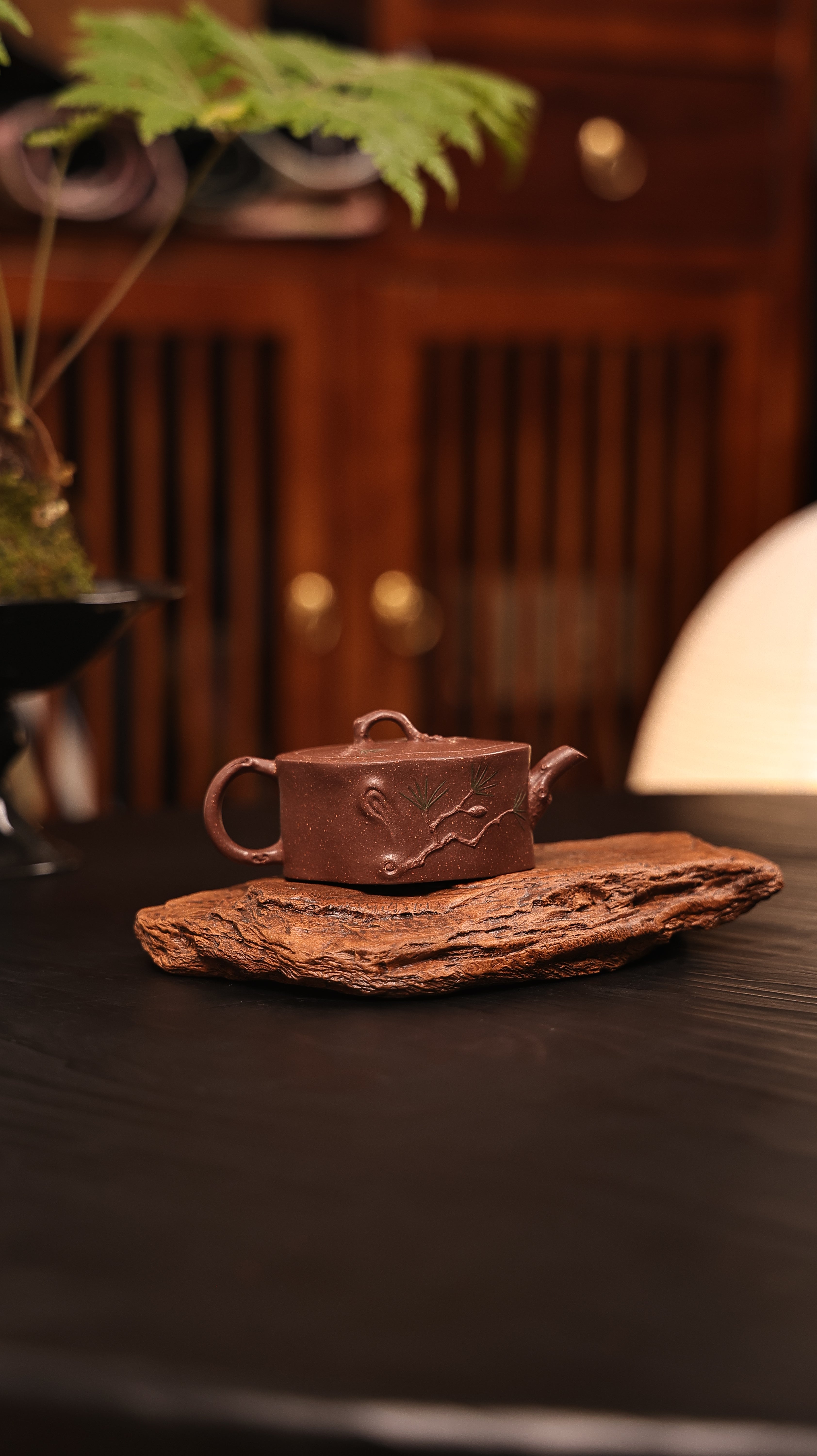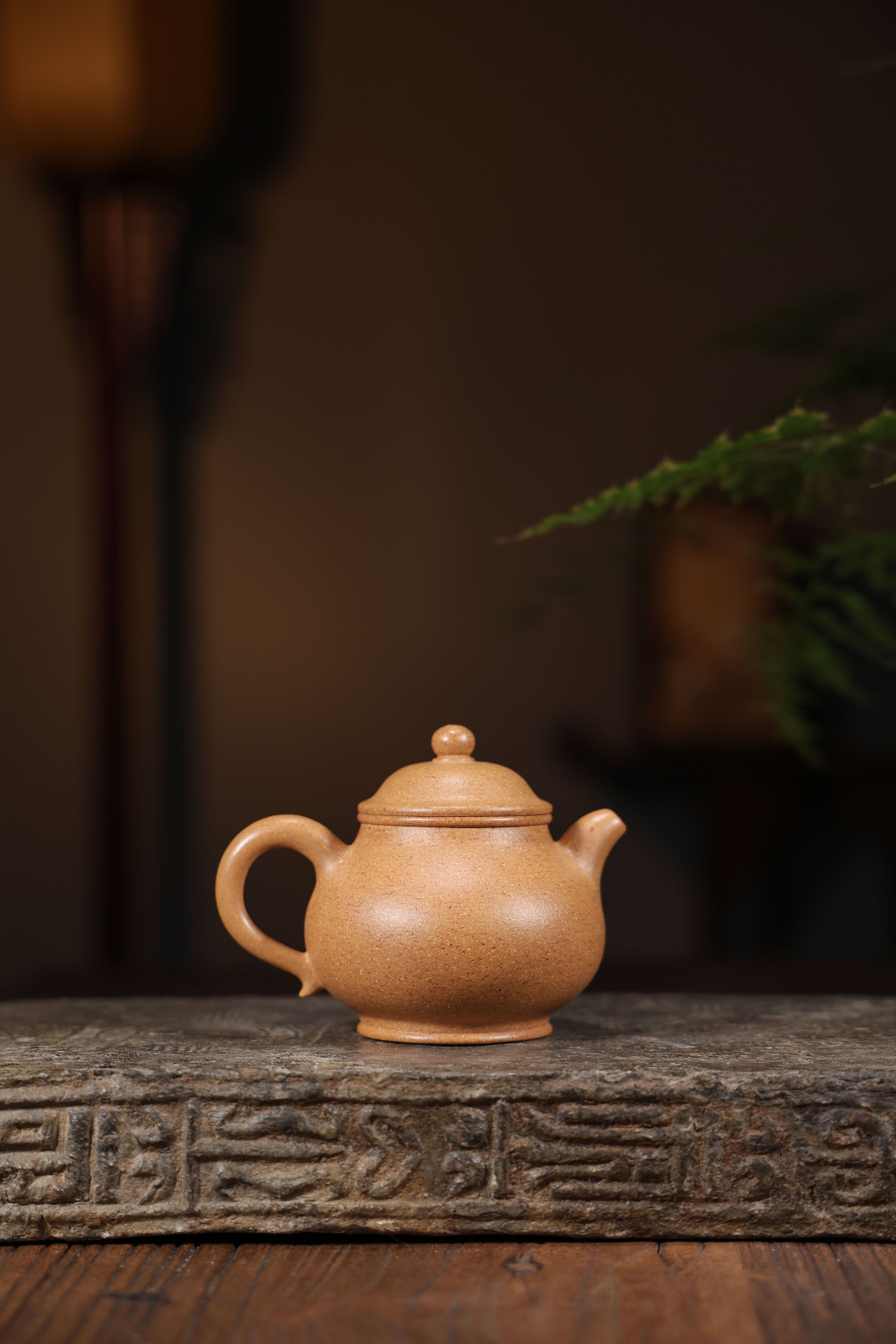
Centuries of enthusiasts have long yearned the special attraction of Yixing Zisha kettles. Emerging in the cozy town of Yixing, the republic, these teapots are made from a rare and collected purple clay acknowledged for its notable thermal traits and capability to boost the flavor of potions. Besides their effective importance, Zisha teapots represent a profound social background, making them considerably esteemed and a real find for any zealous teapot collector.
Examining Yixing Earthenware
Famous teapots illustrate a distinctive fusion of history and experienced craftsmanship. Rooted in Yixing, Jiangsu Province of China, their narrative originates in the Ming Dynasty, although documentation suggest earlier forms. The unparalleled reddish-brown clay, called Zisha, found merely in the Yixing region, is the integral component, contributing to the pots' excellent heat keeping and the manner they alter the taste of tea. Dynasties of potters have refined techniques—often relayed through families—including forming the clay, applying exquisite embellishments, and firing the pots at controlled temperatures.- Historically, Yixing teapots were often enhanced with simple designs.
- Later, more detailed carvings and pictorial motifs became prevalent.
- The firing process itself is a key element, requiring considerable time of expertise.
Amassing Zisha Teapots: Important Insights
Embarking on a pursuit to procure Zisha vessels can be fruitful, but it’s crucial to comprehend what to analyze. Authenticity is vital; focus on the soil’s natural color, a earthy reddish-brown is regular. Examine the surface; genuine Zisha has a special tactile sensation, often noted as slightly textured. The contour should be symmetrical and consistent with classic styles, while impressions, if present, require scrupulous examination for genuineness. Don’t refrain to consult with skilled authorities or reputable authorities – their wisdom is immeasurable.
Renowned Vessels: Examining the Culture of famous Ceramics
Centuries have seen Yixing Zisha Clay teapots retain a distinguished role in Chinese arts. These beautifully crafted pots, sourced primarily from the locality of Yixing, are well-known for their peculiar pigmentation, nature, and their ability to heighten the aroma of brews. Numerous collectors pursue antique Yixing teapots, Yixing Teapot appreciating them deeply not only for their aesthetic attractiveness, but also for the records they stand for.
Yixing Zisha Teapots: Exceptional Ultimate Selections and Their Aspects
Ming Clay teapots, native to the celebrated section of Yixing, the state, are distinguished for their exclusive clay and remarkable brewing powers. Amongst the many Zisha types, certain selections that are highly respected include Mingzhong. Binzhou, known for its intense purple shade and polished texture, delivers a light flavor. Duan Ni category, recognizable by its auburn color and mildly grainy feel, is considered to enhance tea’s substance. Lastly, Zhuni form boasts an extraordinary scarlet tone and can lend a nice nuance. Each sort delivers a different experience, facilitating them notably desirable within beverage enthusiasts.
Mastering Unique Earthenware Vessel
To tap into the capability of your Yixing vessel, understanding the correct means is crucial. These clay containers, celebrated for their openness, will incrementally take on the quality of the tea you make within them. Begin by washing the urn thoroughly with heated water. Then, use only select natural leaf tea, as lower quality options can harm the object’s delicate essence. Always allow the leaves to bloom completely, and remember that with each brewing, your Yixing urn will become ever appreciated.
Preserving Your Valuable Zisha Item
Proper care for your Zisha container is essential to securing its character and merit. Zisha clay, celebrated for its unique cast and texture, requires attentive handling. Never use abrasive chemicals, as these can undermine the coating. After every utilization, rinse the kettle with comfortably warm water and allow it to air out completely.
- Shun soaking the jar for extended durations.
- Sporadically use a soft towel to dust the exterior.
- Weigh applying a thin layer of food-grade oil inside the pitcher after drying, which can minimize staining.
Initial Guide to Yixing Clay Pots
Yixing vessels, originating from the Yixing province in Jiangsu Province, of China, are celebrated for their distinctive traits. Shaped from the unique purple clay known as Zisha, these containers are prized by brew enthusiasts worldwide. This digest will briefly explain the principles – covering forms of Zisha composite, popular shapes, and vital care suggestions. Understanding the foundation of Yixing jars can improve your appreciation for this esteemed example of Far Eastern folklore.
Trade of Chinese Clay Pots: Spotlighting Zisha native to Yixing locality
Zisha clay from Yixing City represents the zenith of Mandarin earthenware design, exhibiting a rare compound of elemental beauty and hands-on artistry. These celebrated pieces are renowned for their rich color schemes, often spanning dark purples and brown hues to soft greys and light beiges. The distinct mineral composition of the area’s Zisha ground imparts a signature texture and generates a satisfying aroma that elevates the complete brew experience, rendering them highly sought-after collectibles and integral components of any serious tradition.